

The Separated Target
Open water makes a single moving subject easy to isolate. This is the cleanest moment for following direction because surrounding activity stays restrained and the target does not have to compete with a dense wave.
Follow PLAYTIME fishing through a clear target lane, visible shot path, changing waves, and calm exit routes for browsing, support, or account registration.
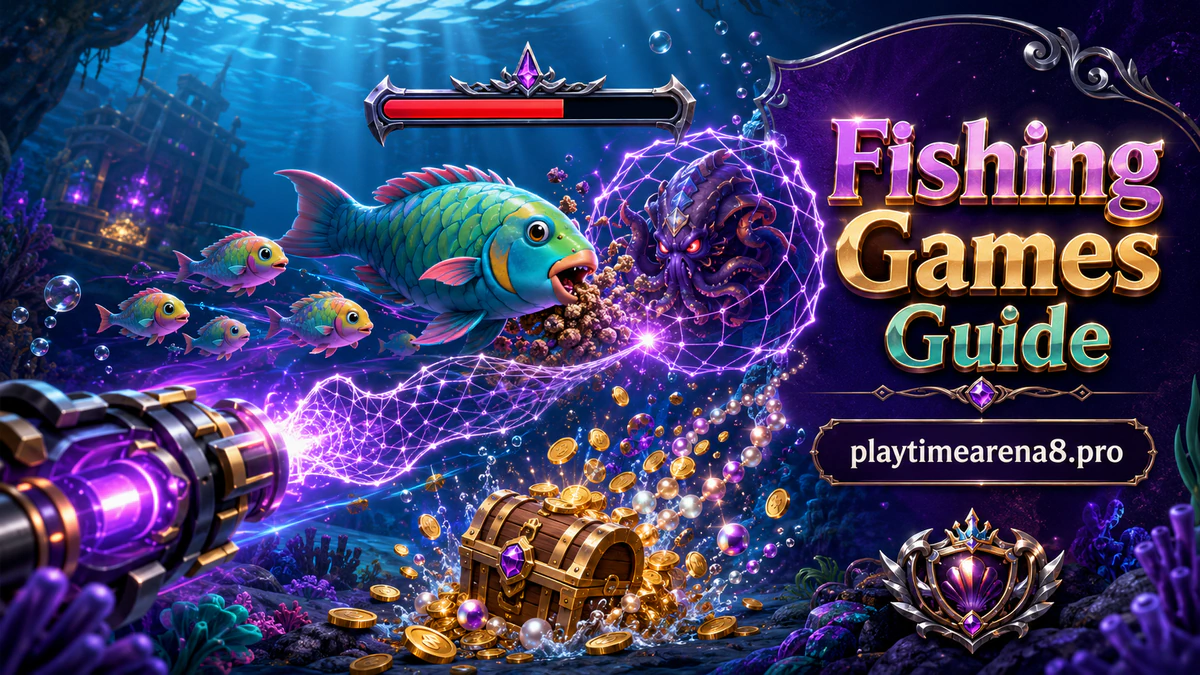
The opening water is easy to read. One separated target crosses a blue-cyan lane while warm gold highlights pull it forward from the surrounding scene. There is enough open space to follow the movement instead of searching through a crowded screen, and that makes the first few seconds of PLAYTIME fishing feel immediately active without becoming noisy.
The target is the natural focus because its path stays visible against the water. You can watch it continue across the lane, hold your attention on its position, or simply let it pass and wait for the next moment. The scene does not need an invented creature name or a promised result to work. Its entertainment comes from the crossing itself: something enters, the eye follows, and the water gives that movement room.
This is a different rhythm from opening a reel page or following a match. The action travels across the screen rather than repeatedly resetting in one fixed column. A single target can be enough to pull attention for a few seconds, then the lane opens again. That stop-and-go current gives PLAYTIME fishing a recognizable character before any account or access question enters the page.
Visitors who arrived after typing playtime game download or playtime casino app download can still begin with the actual game scene. No native application, APK, store listing, or device support is supplied in the accepted material for this page, so none is invented here. What is available is the fishing world, the visible changes across its assigned scenes, the PLAYTIME site routes, and a verified registration destination later on.
The first assigned fishing scene adds another readable line to the water. A visible path runs across the lane while the target remains part of the same moving composition. The useful thing to notice is not a hidden calculation or an assumed control rule. It is the relationship between position, direction, and what changes on screen after the action begins.
In PLAYTIME fishing, that visible response keeps the scene understandable even when the water is moving. The target changes position. The path gives the eye another line to follow. The scene reacts in a way you can see. Those are enough details to make the moment feel connected without claiming an exact cannon mechanic, power level, hit rule, or reward value that the supplied material does not establish.
A quieter lane also gives you time to decide whether the chase is still interesting. You can keep tracking the crossing or allow it to continue out of focus. That matters because the page soon becomes busier. The first image works like a clean reference point: one target, one readable lane, and a response that can be followed without guessing what is happening off-screen.

The fishing screen does not stay equally demanding from one moment to the next. The accepted scenes move from a separated subject to a larger presence, then into a denser wave before the water clears. Those changes create four simple cues that can be read without turning the page into a technical manual.
A playtime game search may lead someone here expecting a quick sense of what the category feels like. The answer is in these shifts. Sometimes one object owns the lane. Sometimes a bigger subject changes the visual balance. Sometimes several crossings compete for attention. Then the current opens and the screen becomes calmer again. That rise and release is the personality of the supplied fishing sequence.
Open water makes a single moving subject easy to isolate. This is the cleanest moment for following direction because surrounding activity stays restrained and the target does not have to compete with a dense wave.
When a larger creature enters, its scale changes what feels important on the screen. It attracts attention simply by occupying more visual space, without the article needing to attach a species name, value, or special outcome to it.
Several objects moving through different lanes make the water harder to read at a glance. The same PLAYTIME fishing scene that felt relaxed a moment earlier can suddenly ask for more visual attention.
Once the wave passes, empty space becomes part of the experience. Fewer crossings make the lane easier to scan and create a natural pause before deciding whether to watch another chase or leave the water for now.
None of these cues requires a playtime game login action to understand. They are visible entertainment moments first. If access is what you actually need, the verified site routes remain separate at the bottom of the article instead of interrupting a target sequence with an unrelated prompt.
The next part of the chase widens the scene. A lane that began with one clearly separated target does not stay empty for long. The assigned images show the water changing in stages: first a shift in position, then a larger creature, then a denser collection of moving objects. The visual demand rises because there are simply more things competing for the same screen.
A target that looked easy to follow can move into a different part of the water while the visible path no longer dominates the whole composition. Attention has to move with it. That simple lane change gives the chase motion without requiring an invented targeting system.
A larger creature changes the scale of the scene. It becomes difficult to ignore because it occupies more of the available water, while smaller details continue around it. The shift feels dramatic through size and contrast alone; no special payout or feature claim is needed.
The screen then reaches its busiest point. Several objects cross different lanes, making the water feel layered rather than open. This is where PLAYTIME fishing asks for more attention than the opening scene. Following everything at once is not necessary; one subject can stay the focus, or the whole wave can simply pass.
A busy screen does not have to become a reason to stay. If the crossings begin to feel like more visual demand than you want for the moment, waiting through the wave is a perfectly complete response. The changing water itself creates a stopping point.
That changing density is more informative than a generic playtime game download promise would be. It shows what the page can actually support: a fishing scene that moves between open tracking and crowded waves. The article does not claim that downloading an application is necessary or even available, because no application evidence accompanies these images.
The same applies to a playtime casino app download search. The phrase may describe how a visitor reached PLAYTIME, but it does not rewrite the evidence. On this page, the real attraction is the water, the targets, the visible response, and the way the scene becomes busy before easing off again.
When the wave asks for more attention than you want to give it, letting the current clear creates an easy place to pause.
The fourth assigned scene gives the water room again. After the dense crossing, that quieter state feels noticeably different: fewer competing shapes, more visible space, and no need to chase the previous wave into another one. The reset is part of the PLAYTIME fishing rhythm just as much as the busier moments are.
If playtime game login brought you here, your question may be about an account rather than the fishing scene. This article’s registration link is for registration, not a separate sign-in form. The PLAYTIME Contact page is available when you need help locating access to an existing account.
A visitor looking for playtime game download or playtime casino app download gets the same evidence boundary. This page does not claim a native application, specific operating system, or downloadable package. It keeps the verified actions simple: return to the PLAYTIME lobby, switch to Slots, open Sports, ask support about access, or use the supplied registration route if creating a new account is genuinely what you intend to do.
If the fishing scene itself was the reason you came, there is no requirement to choose any account route now. The playtime game experience shown here already moves through a complete little arc: a separated target enters, a visible path crosses the water, a larger subject changes the scale, a dense wave raises the visual pressure, and then the current opens again.

The calm water does not need another prompt layered over it. One PLAYTIME fishing chase has already moved from a clean crossing into a busier wave and back into open space. Stay with the page if the water still holds your attention, choose one of the verified routes above if it matches what you need, or let this wave end here and return another time.